
 Loading ...
Technology Innovations for Learning, Part II
Date: August 19, 2011
—A Guest Blog Article in the Discussion Series on Social Innovations in Adult Education
Article by Anne Murr
“If I were in a wheelchair, you would do everything you could to help me. But I can’t read. For me, where’s the ramp?” Norma has found her digital ramp: Mac laptop with screen-reader built-in to the Mac operating system and with MacSpeech (Mac-compatible Dragon Naturally Speaking).
With these innovative technology tools, Norma now has much easier access to the written word. She uses technology to read and communicate. She has also achieved a level of digital literacy that many persons who can read do not have.
Like Norma, most adults who are in the NAALS Basic and Below Basic levels have immediate employment, education or other life goals that are out of reach because of their low literacy skills. They don’t have years to invest in learning to read. They need a job now. They need a GED and need to be able to fill out job applications (both paper and online). But…to enroll in training or to pass tests for certification for better jobs, they need to be able to read better first.
Or do they? Persons who do not read with ease often hone their ability to learn by listening. If study or job training materials were available as audio files, they would have the opportunity to learn and to accelerate goal attainment before they gain literacy competence in the traditional sense.
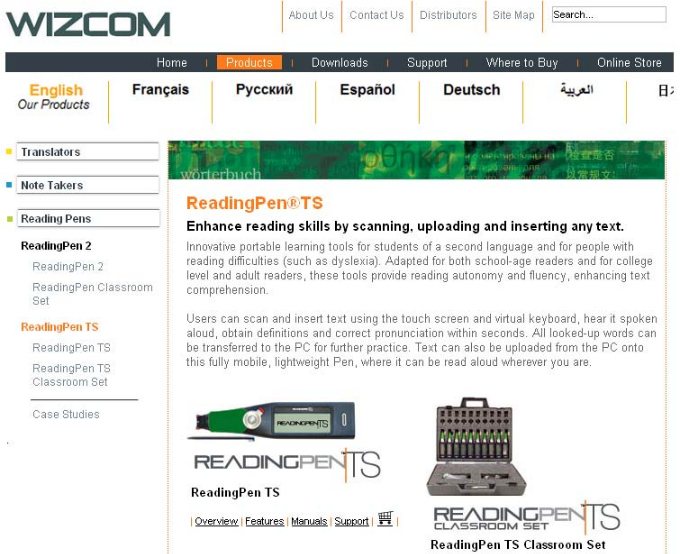
Larry McCrory, 46, is doing just that! He has independently developed his personal toolbox of learning technologies, which includes:
.
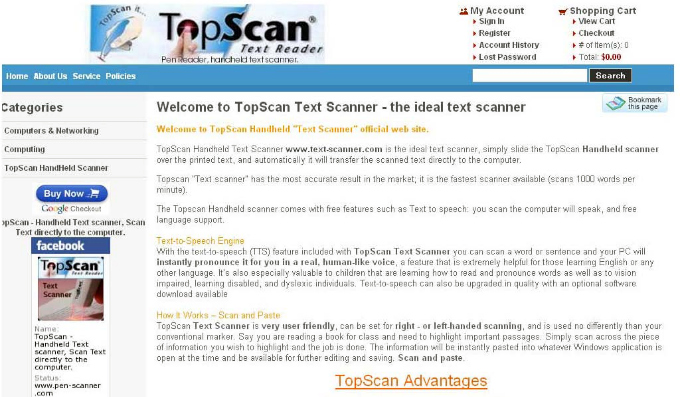
TopScan Scanner:
.
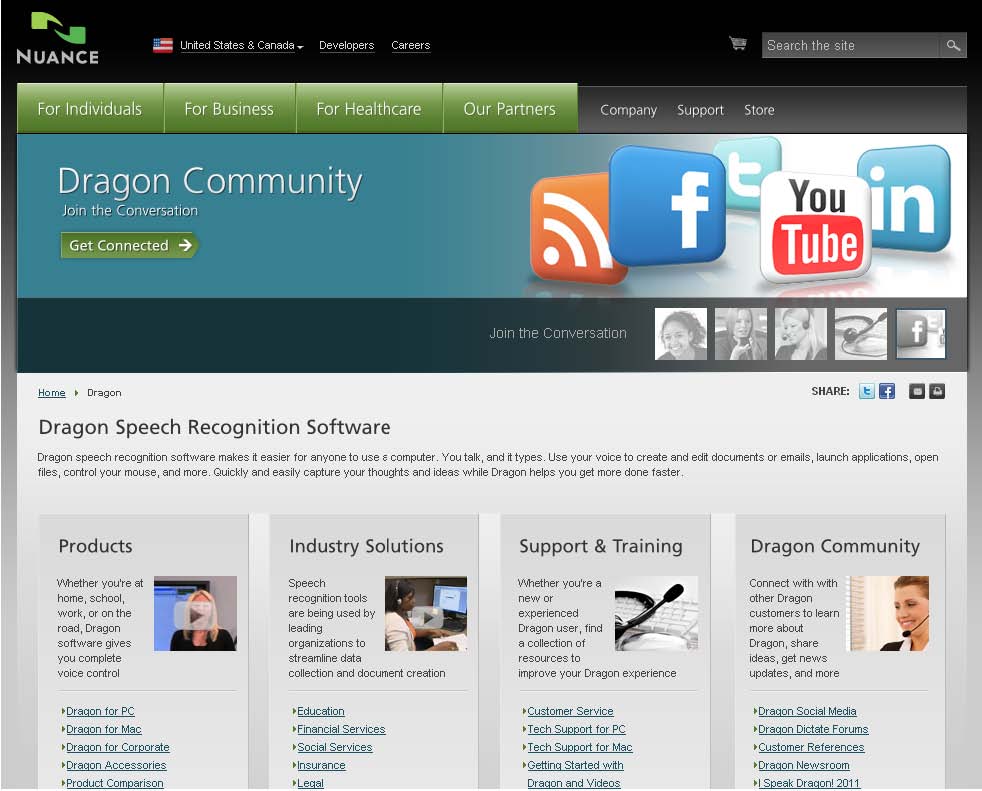
and Dragon Naturally Speaking:
.
Mainly on eBay, he has purchased these relatively low-cost digital tools to help him study for a high school diploma. Larry demonstrates the use of the Reading Pen and how it is useful to him in his studies:
.
View a video demonstration on Virtual Literacy to Succeed by Steven Paul Pritchard, author and adult with Dyslexia. Steven demonstrates clearly how the kReader Mobile can be used by adult learners who struggle with literacy skills to help them access information:
.
At the Iowa Virtual Literacy Initiative (IVLI) webpage, you will also find IVLI’s Virtual Literacy Toolkit.
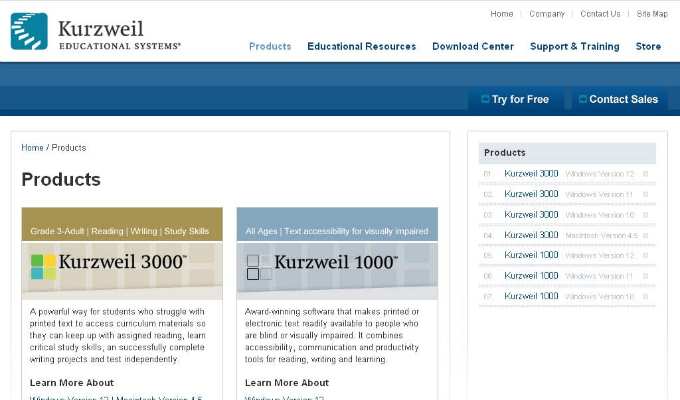
IVLI is investigating how to implement text-to-speech technologies in adult education settings. GED students at 4 locations in Central Iowa and in a job training project for recent high school graduates with disabilities are now using Kurzweil software, networked in classroom labs. With small grants from Dollar General Literacy Foundation, Central Iowa Works and the local casino, GED study materials have been converted to speech with Kurzweil software:
.
Students with lower literacy skills listen while they read the text displayed (and highlighted) on the desktop. In this ‘multimodal’ learning environment, visual and auditory information are presented simultaneously. “I’M DOUBLE TATOOING MY BRAIN! “(GED student in Iowa men’s correctional facility)
During the first year of this project, 27 inmates at Iowa correctional facilities participated in a research study to determine if adaptive educational technology would improve low literate adults’ reading competency CASAS scores. Preliminary data analysis demonstrates statistically significant increases in inmates’ reading scores (effect size of 0.31). As the project continues, additional measures will include GED tests passed, learning pace acceleration and employment attained.
What we have learned:
- Students devised their own strategies for using text-to-speech.
- English language learners liked hearing English pronunciation and grammar.
- All students liked the choice of the voice, voice pace, the built-in dictionary, and the ability to re-read (as opposed to closed captioning that races across the screen and is gone).
- They didn’t like Kurzweil’s lack of interactivity.
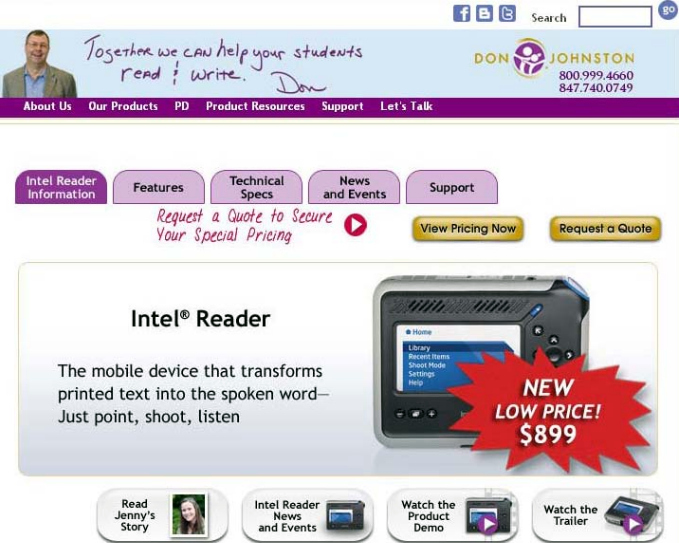
New technology innovation is accelerating and costs are decreasing. Kurzweil is expensive, but with a Mac operating system, it’s at your fingertips. The Intel Reader (expensive) snaps a picture of any text and immediately converts it to audio:
.
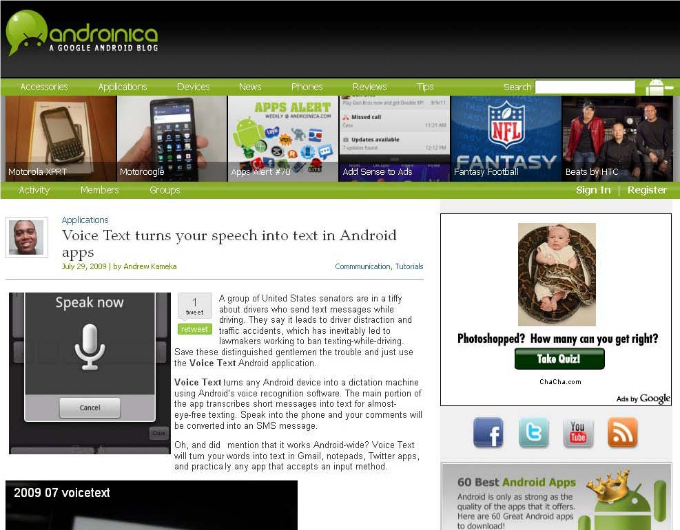
The Android phone has a free speech-to-text app so users can send text messages and emails using voice only (and you don’t have to train the software to recognize your voice!):
.
What will be next? Adult educators need to continue to investigate technologies for learning. We can create Digital Ramps to assist adult learners as they work toward their goals.
Anne Murr is the Coordinator of the Adult Literacy Center at Drake University School of Education and Board Member with the National Association for Adults With Special Learning Needs.
Anne is a guest blogger in the guest blog discussion series on Social Innovations in Adult Education. See the full schedule online and participate by posting your comments in the box below.
